
Tile & Stone Flooring
Elevate any space with our premium tile and natural stone collection — from porcelain and ceramic to slate and travertine. Ideal for kitchens, bathrooms, and entryways.
Why Choose Tile & Stone Flooring?
Virtually Indestructible Surface
Porcelain and natural stone tile are among the hardest floor surfaces available. Quality tile installed correctly can last decades — often outlasting the rest of the home's interior finishes.
True Waterproof Performance
Unlike vinyl or laminate, a properly grouted tile floor is completely impervious to water. It's the gold standard for bathrooms, shower floors, and wet rooms where moisture is constant.
Huge Range of Aesthetic Options
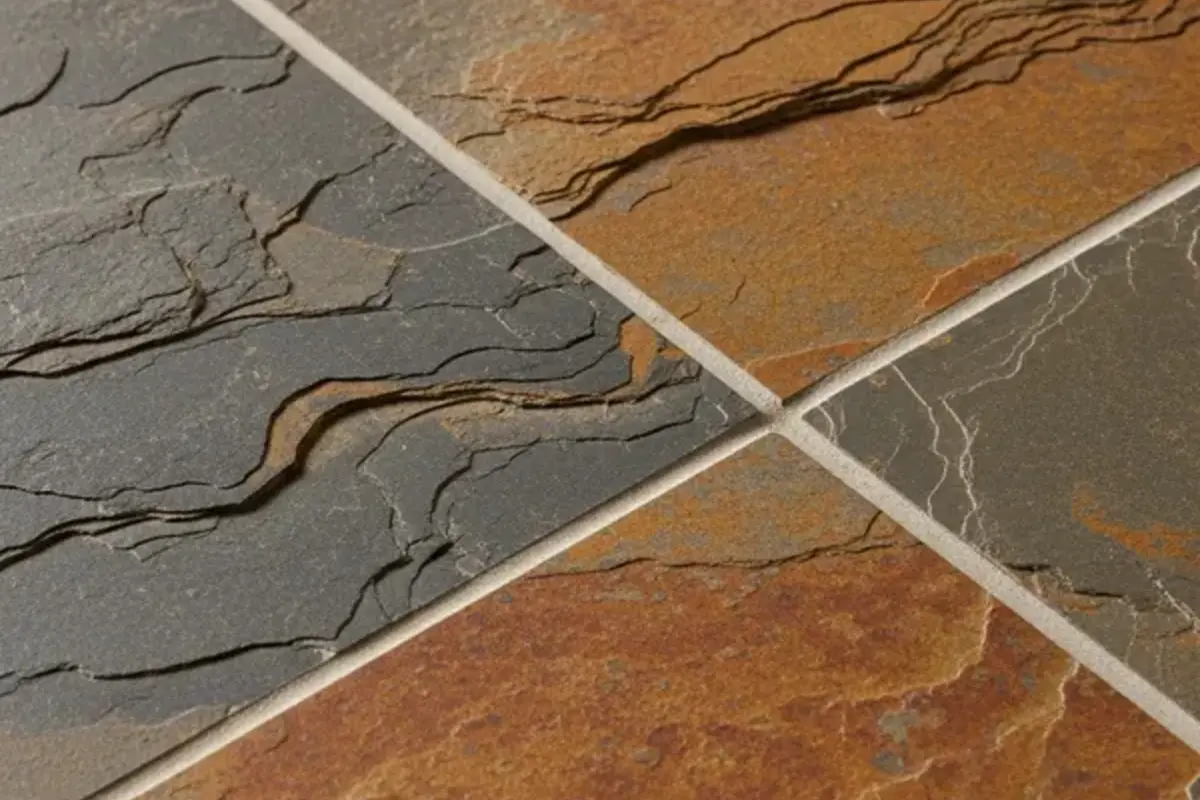
From sleek large-format porcelain to hand-cut natural slate, tile offers more visual variety than any other flooring category. Sizes range from 1" mosaic to 48"+ slabs; finishes from matte to high-gloss polished.
Naturally Cool and Hygienic
Tile stays cool underfoot — ideal in warm months and perfect with radiant in-floor heating in winter. Its non-porous surface resists bacteria, mold, and allergens, making it one of the most hygienic flooring choices.
Best Rooms for Tile & Stone Flooring
Bathrooms
The definitive choice for wet areas — waterproof, hygienic, and compatible with in-floor radiant heat.
Kitchens
Handles spills, grease, and heavy dropped objects without damage; easy to clean to a food-safe standard.
Entryways & Mudrooms
Impervious to wet boots and tracked-in grit; retains its appearance under heavy daily traffic.
Sunrooms & Screened Porches
Handles temperature swings, UV exposure, and moisture better than wood-based products.
Laundry Rooms
Completely unaffected by washing machine leaks, humidity, and cleaning chemicals.
Installation & Care Guide
Installation Tips
- The subfloor must be rigid and deflection-free — tile cracks when the substrate flexes. A Ditra or HardieBacker underlayment over wood subfloors is standard practice.
- Large-format tile (18"+ or rectified edges) requires a flat subfloor to within 1/8" over 10 feet to prevent lippage at joints.
- Grout joint size affects the final look and should be chosen at purchase — rectified tile can go as tight as 1/16"; natural stone typically needs wider joints.
- Seal grout lines annually in high-traffic or wet areas to prevent staining and discoloration.
- Use a wet saw for cuts — tile cuts require diamond blades, and clean cuts make or break the finished look.
Maintenance & Care
- Sweep or vacuum regularly — grit scratches glazed tile surfaces over time, dulling the finish.
- Mop with a neutral pH cleaner; acidic cleaners (vinegar, citrus) etch and dull glazed porcelain and natural stone.
- Seal natural stone (marble, travertine, slate) annually — unsealed stone absorbs stains and moisture readily.
- Re-caulk expansion joints at walls, corners, and transitions every few years as silicone ages and shrinks.
- For grout haze after installation, use a manufacturer-recommended haze remover within the first few days before it cures fully.
Frequently Asked Questions
What is the difference between porcelain and ceramic tile?
Can tile be installed over existing tile?
Is tile cold underfoot in Minnesota winters?
How do I choose grout color?
Do you offer tile installation in Detroit Lakes, MN?
Ready to Get Started with Tile & Stone Flooring?
SCOREFLOORS serves Detroit Lakes, MN and surrounding communities. We bring samples to your home and provide free, transparent estimates — no pressure, no surprises.